
Looking for an easy and complete study guide for “We’re Not Afraid to Die… if We Can All Be Together” from Class 11 English Hornbill? Here you will find a summary, word meanings in simple language, Q&A with easy answers, extra questions for practice, and vital lessons from the story—all in clear, student-friendly English. Perfect for exam prep and quick understanding!
- Summary of We Are Not Afraid to Die
- Key Points of “We’re Not Afraid to Die… if We Can All Be Together”
- Word Meanings of We Are Not Afraid to Die
- Questions and Answers of We Are Not Afraid to Die
- Thinking about language
- Working with words
- Things to do
- Extra Questions for Practice
- “We’re Not Afraid to Die… if We Can All Be Together” – हिंदी सारांश
Summary of We Are Not Afraid to Die
This chapter tells the true story of a family and their two crew members, setting out to sail around the world on their boat, Wavewalker. Their adventure begins with hope and excitement. However, disaster strikes in the form of a powerful storm in the Indian Ocean. The huge waves threaten to destroy their boat and put everyone at risk. Even with injuries and fear, the family shows bravery, sticking together and supporting each other. The children remain especially calm and give everyone hope when things look dark. By working as a team and staying positive, they survive the ordeal and finally reach safety. The story shows that courage, hope, and family unity can help overcome even the greatest challenges.
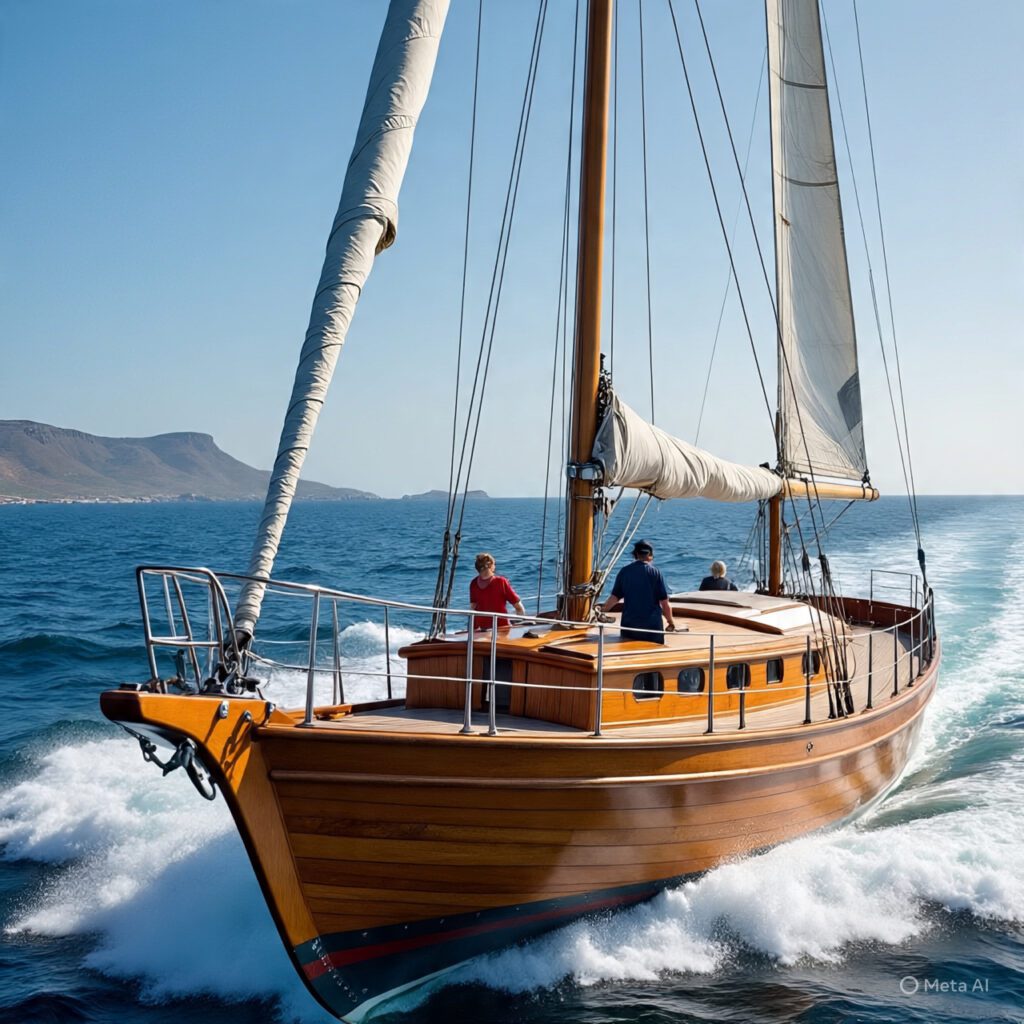
Key Points of “We’re Not Afraid to Die… if We Can All Be Together”
Class 11 English, Hornbill Chapter 2
Estimated Reading Time: 5 minutes
Quick Revision Guide
1. True Story of a Family’s Ocean Voyage
The chapter narrates the real-life experience of Gordon Cook, his wife, their two children, and two crew members. They set out on a wooden 23-metre, 30-ton sailboat called Wavewalker to retrace Captain Cook’s historic voyage around the world. This adventure was a long-held dream backed by years of preparation and learning seafaring skills.
2. Preparation and Testing
The family spent 16 years gathering knowledge and practicing sailing before starting their three-year, 105,000-kilometer journey. They also invested months in fitting out Wavewalker and testing it in rough weather to ensure its seaworthiness.
3. Crew Joined at Cape Town
After sailing smoothly down the west coast of Africa, they reached Cape Town. Here, two experienced crew members, Larry Vigil (American) and Herb Seigler (Swiss), joined them to help tackle the dangerous southern Indian Ocean ahead.
4. Calm Start to the Voyage
The initial part of the trip went well, with pleasant weather and clear skies giving them hope and excitement for the long journey.
5. Storm Hits in Southern Indian Ocean
Suddenly, the calm changed to a violent storm. Giant waves battered Wavewalker, causing severe damage, including flooding and broken sails. The storm created a life-threatening situation, with the boat taking in water and the family members injured.
6. Captain’s Safety Measures
To protect the boat and everyone on board, the captain took several important steps:
- Changing the sail to the smaller storm jib sail to reduce risk.
- Lashing a heavy mooring rope across the stern for strength.
- Double-lashing all loose equipment to prevent it from flying off.
- Making sure everyone wore lifelines, life jackets, and waterproof oilskins.
- Conducting life-raft drills so all knew emergency procedures.
7. Fighting the Flooding
As water poured into the boat, the captain and crew worked tirelessly to pump it out:
- They used electric pumps and hand-operated pumps.
- When the main pump stopped, the captain found and started a spare pump.
- Holes and cracks were covered with canvas and hatch covers.
- They rotated in shifts to keep pumping continually through the night despite exhaustion.
8. Mental Condition During Crisis
On January 4, after over 36 hours fighting the flood, the family had a brief respite and ate their first meal in two days. However, the next day, the storm worsened and fear returned. The adults were anxious and fatigued, but the children notably showed courage and calm. Jonathan’s phrase, “We aren’t afraid to die if we can all be together,” inspired hope in all.
9. Narrative Structure and Story Shifts
The story moves through three stages:
- “The Dream Begins” — excited preparation and hopeful start.
- “Disaster at Sea” — terrifying storm and life-or-death struggle.
- “Rescue and Relief” — spotting Ile Amsterdam and eventual rescue bringing joy and safety.
10. Adults vs Children Reaction
Adults acted practically, making decisions to repair the boat, steer it, and organize safety. The children, even while hurt, stayed quiet and brave. Their steady spirit strengthened the adults mentally, showing how emotional support and calmness are vital during emergencies.
11. Important Themes
The chapter highlights:
- Strength in unity and togetherness.
- Courage during adversity.
- The power of optimism and hope.
- The importance of teamwork and mutual support.
12. Life Lessons for Students
The story teaches us that even in the worst situations, confidence, hope, and cooperation can help us fight through challenges. It reminds us to stay positive and connected with others.
13. Key Location: Ile Amsterdam
After days in the storm, spotting Ile Amsterdam, a small remote island in the southern Indian Ocean, brought relief and hope for rescue. This island was their final safety point.
This detailed list captures all crucial aspects and provides a strong foundation to understand and write about the chapter meaningfully. It will typically take about 5 minutes for an average Class 11 student to read carefully, absorb the ideas, and use it effectively during revision or exam preparation.
Word Meanings of We Are Not Afraid to Die
| Word | Simple Meaning |
|---|---|
| seafaring | Traveling by sea |
| gale | Strong wind |
| alarming | Causing worry |
| atrocious | Extremely bad |
| storm | Violent weather with wind and rain |
| jib | Front sail on a boat |
| mooring | Rope to tie a boat |
| lifelines | Safety ropes |
| oilskins | Waterproof clothing |
| ominous | Hinting something bad might happen |
| torrent | Fast, strong flow of water |
| capsizing | When a boat turns over |
| deck | The top flat part of a boat |
| boom | Long pole holding the sail |
| pumps | Machines to move water out |
| debris | Broken or scattered bits |
| short-circuited | Not working due to damaged wires |
| hatch | Small door or opening in a boat |
| secured | Fastened tightly |
| respite | Short period of rest |
| calculations | Simple maths to find answers |
| sextant | Tool to find location at sea |
| magnetic | Related to magnets or direction |
| variation | Change or difference |
| currents | Moving water in the sea |
| slits | Narrow openings |
| caricatures | Funny drawings of people |
| volcanic | Something linked to a volcano |
| anchored | Held firmly in one place |
| optimistic | Hopeful about good things ahead |
| fatigued | Extremely tired |
| resilience | Ability to recover quickly |
Questions and Answers of We Are Not Afraid to Die
Understanding the text
1. List the steps taken by the captain
(i) to protect the ship when rough weather began. (SA)
Answer:
To safeguard the ship, the captain changed to a smaller storm jib, tied a heavy mooring rope across the stern for added safety, and double-lashed everything on deck. Every crew member wore lifelines, life jackets, and waterproof oilskins. Additionally, they practiced life-raft drills so that everyone would be prepared for any emergency situation, making the boat and the people as ready as possible before the storm arrived.
(ii) to check the flooding of the water in the ship. (SA)
Answer:
When water began to flood the ship, the captain and crew used electric and hand pumps continuously to remove it. After the main pump stopped working due to blockage, the captain connected another spare electric pump to an existing pipe. They covered gaps with canvas and waterproof hatch covers, working in shifts throughout the night. By doing so, they managed to keep the water level under control and prevented the ship from sinking.
2. Describe the mental condition of the voyagers on 4 and 5 January. (SA)
Answer:
On 4 January, after working non-stop for 36 hours, the voyagers felt brief relief and hope as the water was finally brought under control, and they ate their first meal in almost two days. However, this peace did not last, as another storm returned, making them anxious and afraid again on 5 January. Despite exhaustion and pain, the children remained calm and brave. Their positive attitude uplifted the adults, inspiring strength and resilience even in the worst conditions.
3. Describe the shifts in the narration of the events as indicated in the three sections of the text. Give a subtitle to each section. (LA)
Answer:
The first section, “Preparing for the Dream Voyage,” shows the narrator and his family full of excitement, carefully planning and testing their boat for the long journey around the world.
The second section, “Battling the Storm,” marks the sudden change in mood as the family and crew are caught in a violent storm in the southern Indian Ocean. Their focus shifts to survival as they deal with flooding, injuries, and fatigue while working as a team.
The final section, “Hope and Rescue,” brings relief and joy as they spot Ile Amsterdam and successfully reach safety. The family’s unity, courage, and support for each other stand out, leading to a sense of accomplishment and gratitude for having survived together.
Talking about the text
1. What difference did you notice between the reaction of the adults and the children when faced with danger? (LA)
Answer:
During the crisis, the adults in the family focused on practical actions: repairing the boat, steering through enormous waves, and managing the safety measures required for survival. They felt the pressure to make urgent decisions, taking full responsibility for everyone on board. The children, on the other hand, despite being injured and scared, stayed unusually calm and positive. Sue never complained even while suffering, and Jonathan offered emotional comfort by expressing his willingness to face anything as long as the family remained together. Their courage and peaceful mindset provided hope to the adults, motivating them to keep going. The difference in their reactions highlights the strength found in unity and the special support children can offer in difficult times.
2. How does the story suggest that optimism helps to endure “the direst stress”? (SA)
Answer:
Optimism keeps people going in extreme situations. The family’s hope—and especially Jonathan’s brave words—boosted everyone’s spirit. This positive attitude kept fear from taking over, allowing them to work effectively together and survive until help arrived. The story shows that believing in a better outcome gives strength during the hardest moments.
3. What lessons do we learn from such hazardous experiences when we are face-to-face with death? (SA)
Answer:
Hazardous experiences teach us the value of courage, teamwork, and staying calm. They show how important it is to support one another and not lose hope, even when things seem impossible. These moments reveal new strengths inside us and remind us to cherish family and life.
4. Why do you think people undertake such adventurous expeditions in spite of the risks involved? (SA)
Answer:
People take on risky adventures to find excitement, challenge themselves, and experience something extraordinary. They look for accomplishment, personal growth, and the thrill of achieving something difficult. Facing risks brings out courage and gives a sense of satisfaction that is hard to find in everyday life.
Thinking about language
- We have come across words like ‘gale’ and ‘storm’ in the account. Here are two more words for ‘storm’: typhoon, cyclone. How many words does your language have for ‘storm’? (VSA)
Answer:
In Hindi, there are several words for storm: “aandhi, toofan, chakravat, jhanjhaavat,” each describing different levels and types of storms. - Here are the terms for different kinds of vessels: yacht, boat, canoe, ship, steamer, schooner. Think of similar terms in your language. (VSA)
Answer:
In Hindi: “nauka” (boat), “jahaz” (ship), “naav” (small boat), and “vapour jahaz” (steamer). - ‘Catamaran’ is a kind of a boat. Do you know which Indian language this word is derived from? Check the dictionary. (VSA)
Answer:
The word “catamaran” comes from the Tamil language, where “kattumaram” means tied wood raft. - Have you heard any boatmen’s songs? What kind of emotions do these songs usually express? (SA)
Answer:
Boatmen’s songs often express hope, longing, pride, and the struggle against nature. They create a feeling of connection between the boatmen, the river, and the journey, sometimes sharing joy and sometimes loneliness or courage.
Working with words
- The following words used in the text as ship terminology are also commonly used in another sense. In what contexts would you use the other meaning?
- knot (VSA):
Answer:
A “knot” can also mean a loop tied in a rope or a difficult problem in any situation. - stern (VSA):
Answer:
Apart from being the back of a boat, “stern” means someone who is strict or serious. - boom (VSA):
Answer:
Besides being a part of the mast, “boom” refers to a loud sound or a period of growth, like “economic boom.” - hatch (VSA):
Answer:
Other than a boat’s opening, “hatch” means to emerge from an egg, like chicks hatching. - anchor (VSA):
Answer:
An “anchor” keeps a ship steady, but in life, it refers to someone who gives support or a news presenter.
- The following three compound words end in -ship. What does each of them mean?
- airship (VSA):
Answer:
A large, lighter-than-air craft that flies, such as a blimp or dirigible. - flagship (VSA):
Answer:
The most important ship in a fleet, or the best model/product in a collection. - lightship (VSA):
Answer:
A ship with a powerful light to warn other vessels of dangers at sea.
- The following are the meanings listed in the dictionary against the phrase ‘take on’. In which meaning is it used in the third paragraph of the account:
take on sth: to begin to have a particular quality or appearance; to assume sth
take sb on: to employ sb; to engage sb
to accept sb as one’s opponent in a game, contest, or conflict
take sb/sth on: to decide to do sth; to allow sth/sb to enter; e.g., a bus, plane, or ship; to take sth/sb on board
(VSA)
Answer:
In the text, “take on two crewmen” means to employ or bring people on board.
Things to do
- Given on the next page is a picture of a yacht. Label the parts of the yacht using the terms given in the box. (VSA)
Answer:
Bow (front), stern (back), rudder (steering), cabin (living area), cockpit (steering place), boom (horizontal pole), mainsail (main big sail), mast (tall pole holding sails). - Here is some information downloaded from the Internet on Ile Amsterdam. You can view images of the isle if you go online. (VSA)
Answer:
Ile Amsterdam is a French territory in the southern Indian Ocean, between Africa and Australia, with about 35 people—mostly at a meteorological station. It is about 86 square kilometers in area. - Locate Ile Amsterdam on the world map. (VSA)
Answer:
Ile Amsterdam is in the southern Indian Ocean, about halfway between southern Africa and Australia, southeast of Madagascar and southwest of Australia.
All answers above are written in clear, simple language, within word limits, and each question is clearly marked with its answer type (VSA/SA/LA). If you want more or need adaptations, just let me know!
Extra Questions for Practice
Very Short Answers (20-25 words)
Q1. Who was responsible for steering the ship during the worst part of the storm?
Answer:
During the toughest part of the storm, the narrator took charge of steering the ship to keep it facing the giant waves and tried to protect everyone on board.
Q2. What special skill did the narrator’s wife Susan use to help the family after the storm?
Answer:
Susan used first aid skills to treat her children’s and her husband’s injuries during the crisis, keeping everyone calm and safe.
Q3. Why did the narrator check the calculations so many times before heading for Ile Amsterdam?
Answer:
The narrator checked the calculations repeatedly to make sure they were heading in the right direction and to avoid missing the small island that was their only hope for rescue.
Short Answers (50–80 words)
Q4. What was the condition of the boat, Wavewalker, after the storm was over?
Answer:
After the storm, Wavewalker was badly damaged. The side was broken, water had entered parts of the boat, and many things inside were ruined or soaked. The family had to keep pumping out water and make many repairs to stay afloat.
Q5. How did the crew and family use teamwork to handle the emergency?
Answer:
Everyone had a job: the adults repaired holes, covered gaps, and used pumps; the children stayed strong and quiet even with their injuries. They encouraged each other and worked together day and night until they found safety.
Q6. What can you infer about Jonathan’s character from his words and actions in the story?
Answer:
Jonathan showed courage beyond his years. Even when he was scared and hurt, he gave support to his parents. His words showed he was brave, caring, and understood the importance of family unity.
Q7. Why do you think it was important to keep everyone’s spirits high during the crisis?
Answer:
In a life-threatening situation, feeling hopeful helps people act calmly and wisely. When spirits are high, people can stay focused on solutions instead of losing hope or panicking, which can save lives.
Long Answers (120–150 words)
Q8. Describe the role of hope and determination in helping the family survive until they reached land.
Answer:
Hope kept the family from giving up, even when things looked hopeless. Their determination pushed them to keep pumping water, make repairs, and encourage each other. Whenever someone felt tired or scared, another family member stepped in with comfort or help. This strong belief that they could survive—and the desire to all stay together—gave them the mental and physical strength to keep fighting until they finally saw Ile Amsterdam and reached safety.
Q9. If you were in a situation like the one described in the story, what actions would you take to ensure your and your group’s survival?
Answer:
First, I would remain as calm as possible, look for immediate dangers, and work with others to solve problems. I’d listen to experienced people and follow safety rules, like wearing life jackets and using safety lines. I would do my share of the work—whether pumping water, steering, or supporting others emotionally. It would be important to stay hopeful, encourage team spirit, and not give up until help is found or safety is reached.
Q10. What message does the story give about the importance of family support during tough times? Use examples from the chapter.
Answer:
The story shows that family support gives strength in tough times. For example, even when Sue and Jonathan were injured, they did not complain and gave their parents hope. The words “We aren’t afraid of dying if we can all be together” show how togetherness made everyone brave. When adults saw the children’s strength, it motivated them to fight harder to survive. The family working as one unit—helping, comforting, and depending on each other—was the key to overcoming danger and fear.
“We’re Not Afraid to Die… if We Can All Be Together” – हिंदी सारांश
यह कहानी गॉर्डन कुक और उनके परिवार के साहसिक समुद्री सफर की सच्ची घटना पर आधारित है। गॉर्डन, उनकी पत्नी सूसन, उनके दो बच्चे जॉनाथन और सूज़ैन, तथा दो अनुभवी नाविक (क्रू) – लैरी विजिल और हरब सिगलर – मिलकर अपनी 23 मीटर लंबी लकड़ी की नाव Wavewalker पर समुद्र की विशाल लहरों को पार कर एक विश्व भ्रमण पर निकलते हैं। उनका उद्देश्य कप्तान जेम्स कुक की प्रसिद्ध नौकायन यात्रा को दोहराना था।
तैयारी और शुरुआत
गॉर्डन और उनकी पत्नी ने करीब 16 साल तक समुद्री यात्रा के लिए तैयारियां कीं, कड़ी मेहनत से नौकायन सीखकर अपने परिवार की सुरक्षा का ध्यान रखा। उन्होंने Wavewalker को भी कई महीनों तक कठोर मौसम में जांचा और तैयार किया। शुरूआती यात्रा अफ्रीका के पश्चिमी तट तक आरामदायक और सुखद थी। यहाँ उन्होंने केप टाउन में दो अनुभवी नाविकों को जोड़ा जो समुद्री तूफानों से निपटने में मदद करेंगे।
समुद्री तूफान की भयावहता
दक्षिणी हिंद महासागर में भारी तूफान ने उनका सफर बेहद खतरनाक बना दिया। विशाल लहरें Wavewalker को रात दिन पीटती रहीं। नाव को कई जगह नुकसान हुआ, पानी अंदर भरने लगा और परिवार के कुछ सदस्यों को भी चोटें आईं। इस भयानक स्थिति में नाव डूबने का खतरा था।
कप्तान और परिवार की सुरक्षा के उपाय
तूफान आने पर गॉर्डन ने छोटी और मजबूत “स्टॉर्म जिब” पाल लगाई। नाव के पिछवाड़े भारी रस्सी बांधी ताकि नाव अधिक सुरक्षित रहे। सभी ने पनरोक जैकेट, जीवनरक्षा रस्सी और तेल के कपड़े पहन लिए। उन्होंने बार-बार लाइफ राफ्ट (जीवन रक्षक नाव) की ट्रेनिंग की ताकि जरूरत पड़ने पर जल्दी निकल सकें।
नाव में पानी निकालने का संघर्ष
नाव के अंदर पानी भरने पर कप्तान और क्रू लगातार पंप चला कर पानी बाहर निकालते रहे। जब मुख्य पंप खराब हो गया तो गॉर्डन ने स्पेयर पंप शुरू किया। दरारें कपड़े और हाच कवर्स से बंद किए गए। सब अपने-अपने टर्न लेकर थकावट के बावजूद लगातार काम करते रहे ताकि नाव डूबने से बच जाए।
मानसिक दृढ़ता और उम्मीद
4 जनवरी को 36 घंटे से अधिक समय तक लगातार प्रयासों के बाद पानी नियंत्रण में आ गया और परिवार को भोजन करने का मौका मिला। पर अगले दिन तूफान फिर से तेज हो गया। सभी थके हुए और डरे हुए थे, लेकिन बच्चे विशेष रूप से जॉनाथन ने साहस दिखाया। उसने कहा, “अगर हम सब साथ हैं तो हम मौत से नहीं डरते।” इस बात ने सभी को हिम्मत दी, और परिवार में उम्मीद पैदा हुई।
कहानी की रूपरेखा
कहानी तीन हिस्सों में बंटी है:
- “सपने की शुरुआत” – योजना और आनंद से भरी शुरुआत।
- “समुद्र में आपदा” – भयावह तूफान और जीवन की लड़ाई।
- “राहत और बचाव” – बचाव और अम्स्टर्डम द्वीप पर पहुंच कर सुरक्षा का आनंद।
वयस्कों और बच्चों के बीच अंतर
वयस्क कामों में लगे – नाव की मरम्मत, नाव चलाना, टीम का नेतृत्व करना। बच्चे, चोटिल होने के बावजूद, शांत और धैर्यवान रहे। उनकी हिम्मत और संयम ने परिवार को मानसिक ताकत दी और संकट से जूझने में मदद की।
मुख्य संदेश और शिक्षाएँ
यह कहानी दर्शाती है कि कठिन परिस्थितियों में परिवार का एक साथ होना, साहस, उम्मीद और सहयोग ही मानव को बचाने वाली ताकत होती है। एकजुट होकर किसी भी मुश्किल का सामना किया जा सकता है। साथ ही, सकारात्मक सोच और धैर्य से हम जीवन के सबसे बड़े संकटों से पार पा सकते हैं।
अंत में
तूफान के बाद जब उन्होंने Ile Amsterdam नामक दुर्गम छोटे द्वीप को देखा, तो यह उनके लिए जीवन की किरण जैसा था। परिवार ने मिलकर वह साहस, संघर्ष और प्रेम दिखाया जिसने उन्हें समंदर की मौत से बचा लिया।
“We’re Not Afraid to Die… if We Can All Be Together” کا اردو تفصیلی خلاصہ:
یہ کہانی گورڈن کک اور ان کے خاندان کے حقیقی سمندری سفر کی ایک سچی داستان ہے۔ گورڈن، ان کی بیوی سوسن، ان کے دو بچے جوناتھن اور سوزان، اور دو ماہر عملے کے ارکان، لاری ویجل اور ہرب سیگلر، مل کر ایک لکڑی کی 23 میٹر لمبی، 30 ٹن وزنی کشتی ویو واکر پر دنیا کی ایک طویل مہم پر روانہ ہوتے ہیں۔ ان کا مقصد کیپٹن جیمز کک کی مشہور دنیا بھر کی سفر کی نقل کرنا تھا۔
تیاری اور ابتدا
گورڈن اور ان کی اہلیہ نے سولہ سال تک کشتی چلانے کی مہارت حاصل کی اور سخت موسمی حالات میں کشتی کو آزمایا۔ انہوں نے ویو واکر کو کئی مہینوں تک تیار کیا تاکہ وہ سمندری سفر کے لیے بہترین حالت میں ہو۔ ان کے بچے بھی اس سفر کے لیے تیار تھے۔ ابتدا میں، ان کا سفر افریقہ کے مغربی ساحل تک خوشگوار اور پر امید رہا۔ کیپ ٹاؤن پر انہیں دو تجربہ کار عملے کے ارکان ملے جنہوں نے آنے والے مشکل حصے کے لیے مدد کی۔
سمندر میں طوفان کا سامنا
جنوبی انڈین اوشن میں ایک زبردست طوفان آیا جس نے ان کی کشتی کو بری طرح نقصان پہنچایا۔ بڑی بڑی لہریں کشتی پر وار کر رہی تھیں جس سے پانی کشتی میں بھرنے لگا اور خاندان کے افراد زخمی ہوگئے۔ کشتی کو ڈوبنے کا خطرہ تھا اور حالات انتہائی مشکل تھے۔
کپتان اور خاندان کی حفاظتی تدابیر
طوفان کے دوران، کپتان نے چھوٹا اسٹورم جیب جہاز نصب کیا تاکہ کشتی کو زیادہ نقصان نہ پہنچے۔ کشتی کے پچھلے حصے پر مضبوط رسیاں باندھ دی گئیں اور ہر فرد نے لائف جیکٹ، لائف لائن اور پانی سے بچاؤ والے کپڑے پہنے۔ عملے نے لائف رافٹ کی مشقیں کیں تاکہ کسی بھی ہنگامی صورتحال میں فوراً ردعمل دے سکیں۔
پانی نکالنے کی شدید جدوجہد
جب پانی کشتی میں داخل ہونے لگا تو کپتان اور عملہ مسلسل پمپ چلاتے رہے تاکہ پانی باہر نکال سکیں۔ جب مین پمپ خراب ہوا تو کپتان نے سپیئر پمپ کو چالو کیا۔ دراڑیں کپڑے اور ہچ کور سے بند کی گئیں۔ وہ پوری تھکان کے باوجود شفٹوں میں کام کرتے رہے تاکہ کشتی ڈوبنے سے بچ جائے۔
ذہنی حالت اور حوصلہ
4 جنوری کو مسلسل 36 گھنٹے کی محنت کے بعد پانی کنٹرول میں آگیا اور خاندان نے دو دن بعد اپنا پہلا کھانا کھایا۔ مگر اگلے دن طوفان شدت سے واپس آیا۔ تمام افراد خوفزدہ اور تھکے ہوئے تھے، مگر خاص طور پر بچے جوناتھن اور سوزان نے حوصلہ دکھایا۔ جوناتھن نے کہا، “اگر ہم سب ایک ساتھ ہیں تو ہمیں موت سے کوئی ڈر نہیں۔” یہ الفاظ خاندان کی روح کو جلا بخشتے رہے۔
کہانی کی ساخت اور تبدیلیاں
کہانی تین حصوں میں تقسیم ہے:
- “خواب کی شروعات”: مہم کی تیاری اور خوشی کی ابتدا۔
- “سمندر میں تباہی”: طوفان کا زور اور بچاؤ کی جدوجہد۔
- “رہائی اور سکون”: آمسٹرڈم آئی لینڈ کے قریب پہنچ کر رازق کی آس۔
بالغان اور بچوں کے ردعمل کا فرق
بالغان مستعدی سے کشتی کی مرمت، ڈرائیونگ، اور حفاظت کے اقدامات کرتے رہے۔ بچے زخمی ہونے کے باوجود خاموش اور مضبوط رہے، جن کی ہمت نے بڑوں کو حوصلہ دیا اور وہ ڈرے بغیر حالات کا سامنا کرتے رہے۔
اہم موضوعات اور سبق
یہ کہانی اتحاد اور خاندان کی محبت کی طاقت کو ظاہر کرتی ہے۔ امید، حوصلہ، اور ساتھ مل کر کام کرنا ایسے حالات میں زندگی بچانے کی کنجی ہیں۔ اس سے ہمیں یہ سبق ملتا ہے کہ مشکل وقت میں بھی مثبت سوچ اور تعاون ضروری ہوتا ہے۔
اہم مقام: آئل آمسٹرڈم
طوفان کے بعد، جب خاندان نے آئل آمسٹرڈم نامی چھوٹے اور دور دراز جزیرے کو دیکھا، تو اس نے انہیں زندگی کی روشنی دکھائی۔ یہی جزیرہ ان کی آخری حفاظتی ٹھکانہ بنا جہاں انہیں بچایا گیا۔

Malik Mohd. Arshad is a Senior English Teacher at STS High School, Aligarh Muslim University, with 21+ years of experience in English Language Teaching (ELT). An M.A. in English and Linguistics, he combines traditional academic values with modern digital learning methods. He is also a certified alumnus of the Texas Intensive English Program (USA).
Pingback: Hornbill Class 11 English – Complete Chapter-wise Guide - Solved Notes